How a storm shelter installation runs, start to finish
There are no surprises in a well-run storm shelter install, and the sequence is the same across the Big Country whether the unit is going into a garage floor in Abilene or a back yard outside Anson.
1. Site visit and evaluation
An installer comes out, measures, and establishes the things that actually govern the job: slab thickness and reinforcing, what runs under the concrete, lot elevation and drainage paths, how deep the caliche sits if the plan is below grade, and equipment access. Household size and who has to reach the shelter fastest set the capacity tier and often the shelter type.
2. Rebate application, if you are claiming it
This step goes here, not later, and that ordering is the whole game. The WCTCOG safe room program requires the application to be submitted and the approval letter received before installation. Choose the shelter, confirm it meets FEMA criteria, submit the application, and let the approval arrive while the job is scheduled. A shelter installed first is a shelter that pays full price. The rebate page has the details and contacts.
3. Shelter selection and documentation
Type, capacity and rating get settled here. This is the point to ask for engineering and impact-test documentation and to confirm the manufacturer's National Storm Shelter Association status — not after the deposit.
4. Permit
Inside Abilene city limits, the city has a Residential Storm Shelter Permit Application and the installer normally submits it and schedules the inspection. Outside the city, county requirements vary.
5. Utility locate
Before anything is cut or dug, utilities are located and marked. Tell the crew about anything private on the lot that a public locate will not show: a well line, sprinkler mains, landscape lighting, a propane run to a grill or a shop, an abandoned septic tank.
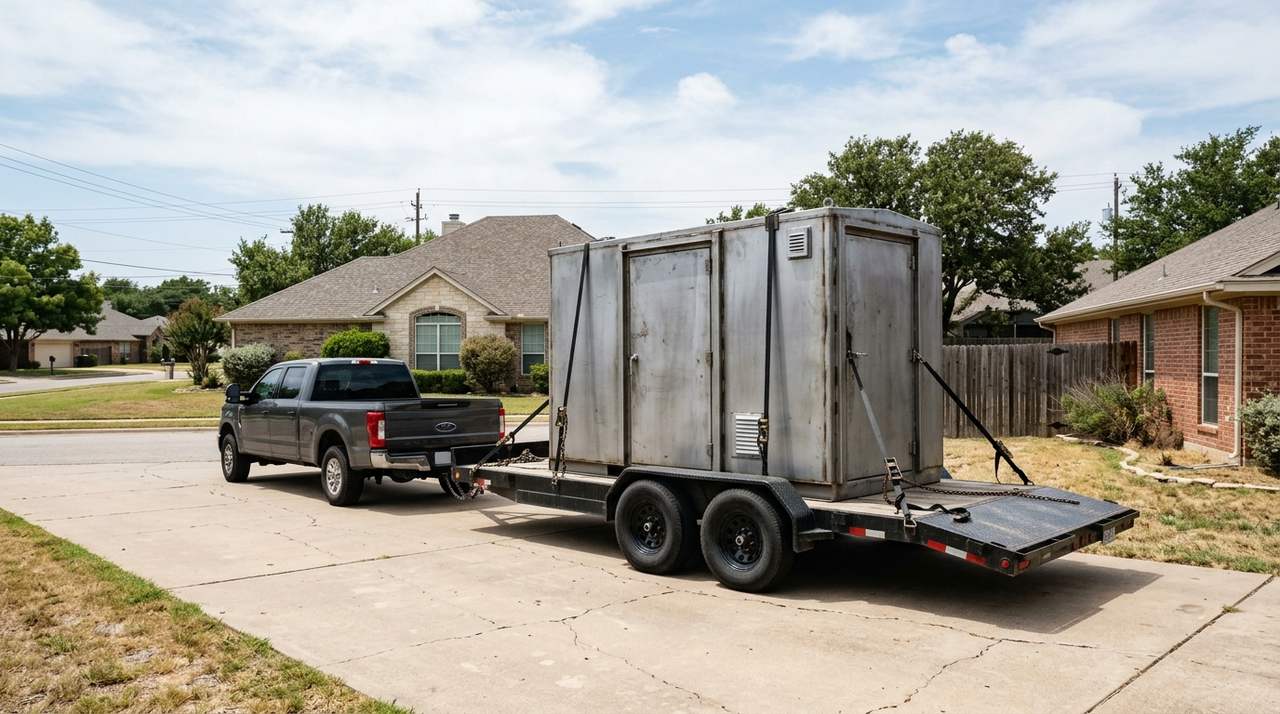
6. Install day
For an above-ground safe room: the unit is placed, positioned, anchored through the slab, and the door is set and adjusted. Usually a single day.
For an in-ground unit: saw-cut if it is going through a slab, excavate through the clay and caliche, set the shelter, build the drainage detail, backfill and compact, then repour concrete flush where applicable. One to two days plus cure time.
7. Inspection, walkthrough and rebate documentation
Final inspection closes the permit. The walkthrough should cover how the door latches and unlatches from the inside, how the ventilation works, what maintenance the seals and hinges need, and what to keep stored in the shelter. If you are claiming the rebate, this is when the installation documentation goes back to WCTCOG. Ask for the full documentation package in writing — ratings, test references, warranty and replacement-part information.
After it is in
- Register it. The City of Abilene and Taylor County run a storm shelter registry through the Fire Department so responders know where to find you if debris covers the door. Minutes count; the registry exists so they are not spent searching.
- Practice using it. Time the household from bed to latched door. The 2019 tornado arrived at about 5:40 a.m. — if your drill takes over ninety seconds, something about the plan needs to change.
- Stock it. Shoes, a battery lantern, a weather radio, water, medications, and a charged phone battery. Shoes matter more than people expect — you come out into debris.
- Keep it clear. An in-garage lid buried under storage boxes is not a shelter.
- Check the seals annually. Gaskets and hinges are the parts that age in this climate's heat.
Ready to start? The contact page takes about a minute, or call (325) 672-9548.